

 Insilico Medicine's Shares Drop After Founder Rebuts Eli Lilly Buyout Rumor
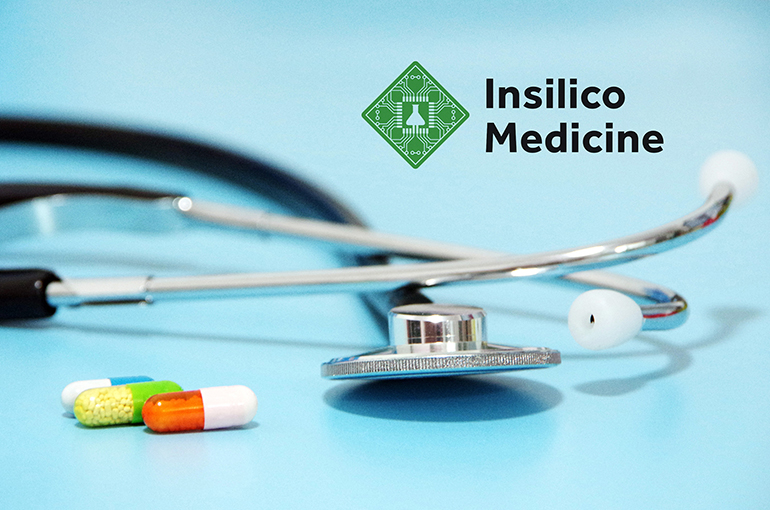
(Yicai) March 31 -- Shares of Insilico Medicine Cayman, a Hong Kong-listed biotechnology firm that uses artificial intelligence to discover and design new drugs, fell after its founder denied speculation of a takeover by US drugmaker Eli Lilly.
Insilico [HKG: 3696] ended 4.6 percent lower at HKD56 (USD7.14) per share today, after swinging between a gain of 6 percent in the morning and a decline of 9.7 percent in the late afternoon.
Insilico's valuation is relatively low, and at this stage the company hopes to maintain its independence, Alex Zhavoronkov, who is also co-chief executive officer, told reporters yesterday. There is no possibility of Insilico being acquired by a pharmaceutical firm, he added.
The buyout speculation followed a USD2.8 billion agreement that Insilico and Lilly unveiled on March 29, which triggered an antitrust review by the US Federal Trade Commission. Under the deal, the partners will use Insilico’s AI drug-discovery capabilities to accelerate the discovery and development of new therapies across multiple disease areas.
Zhavoronkov said the transaction had received prior approval from the FTC.
Global technology giants such as Google are investing in AI-powered drug discovery, but AI drug development requires much experimental validation, which is one reason Insilico focuses on China, Zhavoronkov said. China’s infrastructure and policy support are unparalleled, he pointed out.
More and more companies are recognizing the importance of AI in the pharmaceutical industry, Ren Feng, Insilico’s co-CEO and chief scientific officer, told Yicai. This benefits the company and the entire sector as it brings increasing collaboration opportunities, Ren said, noting that both the number and value of Insilico’s partnerships have swelled since last year.
Insilico supports its research and development projects by providing software services, drug development collaborations, and out-licensing its pipeline products. It offers software services to build relationships with pharmaceutical companies and lay the groundwork for future cooperation, which was also how its Lilly partnership began.
In the short term, Insilico mainly relies on project licensing for revenue, Ren said. But the company does not rule out the possibility that in the next five to 10 years its pipeline may expand into late-stage clinical development for profit, he added.
Headquartered in Boston with its core business in Shanghai, Insilico went public on Dec. 30 and has yet to turn a profit. As the first AI drugs firm listed in Hong Kong, it has been included in the Stock Connect program linking the city with Chinese mainland markets.
Editor: Martin Kadiev