


 Chinese Brands Turn to Ecosystem Building in Race for AI Visibility Abroad
(Yicai) Sept. 2 -- As artificial intelligence increasingly shapes consumer decision-making and rising customer acquisition costs make overseas growth more expensive, Chinese brands are pivoting from traffic-driven expansion to ecosystem building, strengthening ties with creators, media outlets, and partners that can boost their visibility in AI-generated recommendations.
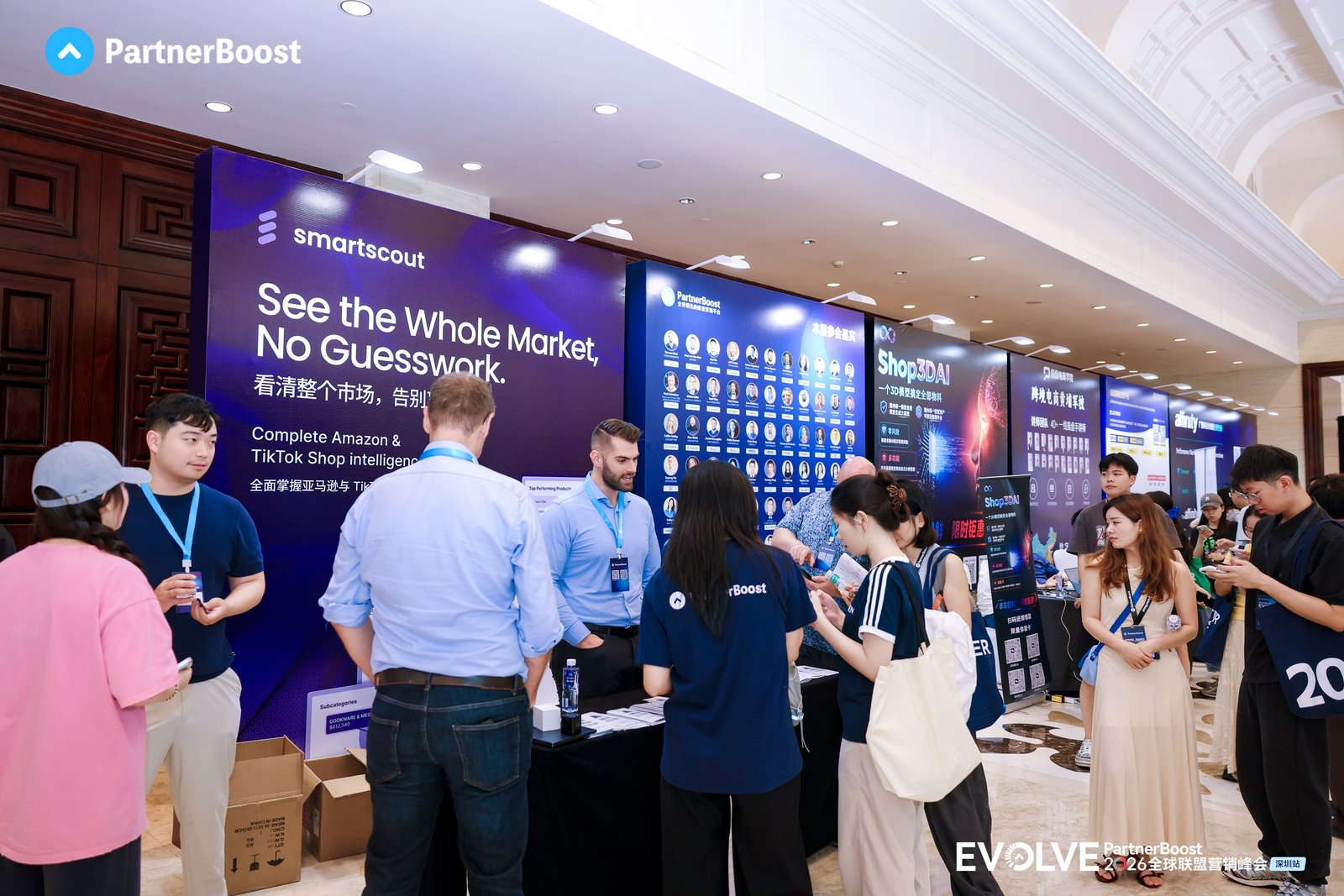
Chinese brands expanding overseas now need to manage a “partner portfolio” that includes distributors, content creators, authoritative media outlets, discount and cashback platforms, and service providers rather than a single sales channel, Alan Gu, founder and chief executive of PartnerBoost, said at the 2026 PartnerBoost Evolve Summit in Shenzhen.
PartnerBoost is an end-to-end software solutions and services provider that helps brands, particularly Chinese ones, that sell overseas to recruit, manage, and measure ties with affiliates, publishers, creators, influencers, and other marketing partners.
The relationship between brands and their ecosystem partners is being redefined. Creators are no longer seen as “one-off traffic hunters” but as a “trust infrastructure,” Mark Grimshaw, executive vice president of partnerships at Nomix Group, said at the two-day event. US-based Nomix is a commerce technology company that aims to transform how brands, consumers, and publishers interact with the digital economy.
Affiliate ecosystems not only drive conversions. They also provide direct market feedback and product insights that can help shape new product development, representatives of Chinese smartphone maker Blackview, children's footwear producer Taranis, and smart home and pet care technology brand Neakasa said at a roundtable talk during the summit.
AI Rewrites the Buying Journey
Generative artificial intelligence is reshaping the consumer’s purchase journey, with more and more shoppers turning to large language models such as ChatGPT, Claude, and Perplexity for product recommendations. Brands are responding by shifting their marketing tactics beyond keyword-based search engine optimization toward generative engine optimization, or GEO, and the broader pursuit of visibility in AI-generated recommendations.
LLMs build their recommendations largely by drawing on media coverage, expert reviews, forum discussions, and content from professional creators, said Adrian Fagerlund, co-founder and chief revenue officer of Linkby, a platform that connects e-commerce brands with premium publishers. This means that brands that are consistently discussed by credible third parties appear more in AI-generated answers, he noted.
Conversion rates driven by LLMs are nine times higher than those from traditional SEO, Fagerlund added.
PartnerBoost’s own data show that expending a brand’s coverage among high-quality affiliates and media outlets can increase its mention rate in AI chatbot responses to 43 percent from 18 percent.
AI is not only reshaping how consumers discover and choose products, but also how companies operate as they expand overseas. “Sellers don’t lack data, they lack answers,” said the head of products at SellerSprite, an all-in-one tool for product selection, market analysis, keyword optimization, and product tracking for Amazon sellers. “AI is evolving from helping you find data to helping you make decisions.”
PartnerBoost signed a cooperation agreement with Tencent Cloud at the summit. Tencent Holdings’ AI workplace product WorkBuddy is increasingly taking on analysis and task execution functions to support teams expanding overseas, said Zhai Kun, deputy general manager of smart retail and life solutions at Shenzhen-based Tencent.
PartnerBoost also unveiled new AI product capabilities at the summit, including AI Center, which integrates AI across the entire affiliate-marketing process, from analyzing data and generating insights to decision-making and execution.
Trust Becomes the New Moat
As AI drives down the cost of producing content, the resulting information glut is making authenticity and credibility an increasingly scarce commodity, a shift that is also changing how investors value brands that are expanding abroad.
As traffic alone is no longer viewed as a guarantee of success, the criteria investors are using to judge a brand’s competitive moat are shifting from short-term sales growth toward technological capabilities, brand equity, and the strength of its global organizational structure, representatives of Capital Nuts, Yunmu Capital, and other venture capital firms said at an investor roundtable at the summit.
Amid external uncertainties, such as tariffs and rising costs, companies need to strengthen their ability to connect emotionally with overseas consumers, according to the chief marketing officer of cross-border e-commerce firm Beijing Huaqing Technology. The pricing power of strong brands is the long-term asset that helps businesses withstand such risks, he said.
“Performance marketing and brand marketing are converging,” Gu said. “A high-quality review can both build brand credibility and directly drive sales.”
The traditional core strengths of Chines brands -- namely, product, supply chain, and engineering efficiency -- are no longer enough to sustain a competitive barrier, Gu noted. The next stage of competition will depend on whether companies can convert efficiency into global influence, moving from following industry rules to formulating them, he added.
The PartnerBoost Evolve Summit, a bi-annual event, was held on Aug. 27 and 28, and drew more than 3,000 attendees.
Editor: Futura Costaglione