



 China’s Sci-Tech University Starts Admissions for Fusion Energy Undergrads
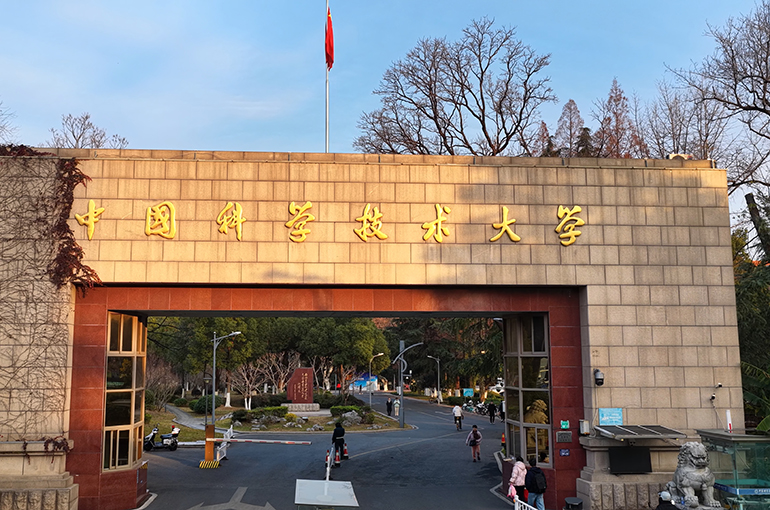
(Yicai) May 11 -- The University of Science and Technology of China, one of the country’s top academic instructions, has begun undergraduate admissions for its controlled nuclear fusion program, taking another step toward building a talent pipeline for a technology that could one day deliver near-limitless clean energy by replicating the process that powers our sun.
USTC is converting its theoretical strengths into engineering capability and preparing key technical talent for the construction of China’s first nuclear fusion test reactor, the Fusion Industry Federation (FuIA) announced on May 8.
Earlier this year, Hefei-based USTC set up a Future Energy College focused on atomic fusion energy technology. The initiative is meant to bridge the technological gap between the International Thermonuclear Experimental Reactor (ITER) and future commercial reactors, and that marks a shift in USTC’s fusion strategy from collaborative design to actual operational implementation, the FuIA said.
ITER is an international project being built in France to demonstrate that fusion power can work at commercial scale. It is backed by a consortium that includes China, the European Union, India, Japan, Russia, South Korea, and the United States.
USTC is the FuIA’s core scientific support institution and talent-training arm, and an important member of the federation’s council. The core mission of FuIA -- China’s first and most influential group covering the entire controlled fusion industry chain -- is to drive the technology’s transformation and commercial use.
The interdisciplinary nature of the technology is significant, and the talent training cycle from undergrad to doctoral level requires at least eight to 10 years, Hu Haomin, executive vice president of the Energy Research Institute at the Hefei Comprehensive National Science Center, told Yicai. He stressed the need for early preparation for industry talent cultivation.
China’s first fusion test reactor is expected to be completed around 2035, with commercial application likely around 2050, according to Duan Xuru, chief fusion scientist at China National Nuclear Corporation. Right now is a crucial time for technological breakthroughs and building-up talent in the field, he added.
Around 30 Chinese higher education institutions have set up fusion research schools and centers over the past six months to accelerate the speed up the talent pipeline in areas ranging from basic science to technology development and engineering.
Editors: Tang Shihua, Futura Costaglione