

 China’s Picea Robotics to Acquire iRobot After US Roomba Maker Files for Bankruptcy
(Yicai) Dec. 16 -- Picea Robotics, iRobot’s largest creditor and contract manufacturer, will acquire the US owner of the Roomba robot vacuum cleaner brand after it filed for bankruptcy.
The world's largest maker of robot vacuum cleaners has signed a deal with Picea by which the Chinese firm will convert its debt claims into 100 percent equity of iRobot through a court-supervised restructuring, the Massachusetts-based company announced on Dec. 14. The deal will strengthen iRobot's financial position, according to Chief Executive Gary Cohen.
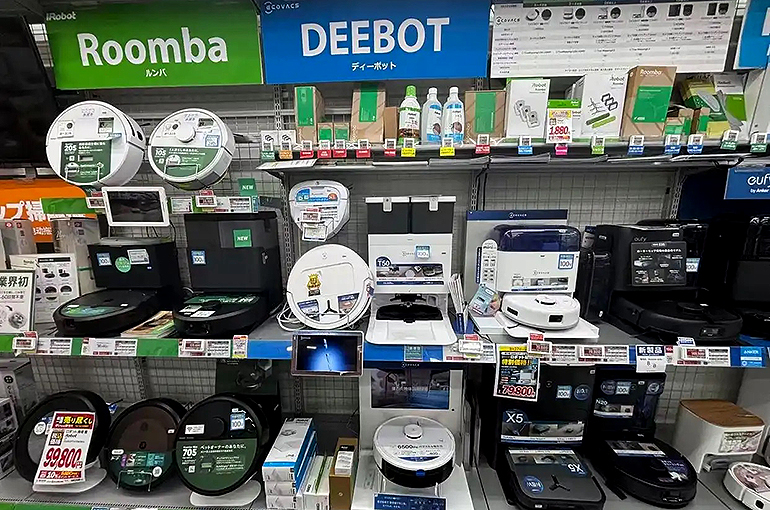
The US pioneer of robot vacuums launched its first Roomba model in 2002, selling millions around the world. But the company, whose portfolio includes technologies and advanced concepts in cleaning, mapping, and navigation, has struggled amid growing competition from Chinese rivals. It filed for chapter 11 bankruptcy protection in Delaware two days ago.
IRobot said the restructuring, which it expects to complete by February, is intended to cut the firm’s debt and enable it to maintain normal operations while continuing with its product development roadmap and preserving its global business.
“By combining iRobot's innovation, consumer-driven design, and research and development with Picea's history of innovation, manufacturing, and technical expertise, we believe iRobot will be well-equipped to shape the next era of smart home robotics,” Cohen said.
Picea bought USD190.7 million of iRobot's debt from US investment firm Carlyle last month, making it the vacuum maker's largest creditor when combined with the USD161.5 million in manufacturing costs it was already owed. It has extended its covenant waivers until Jan. 15.
After the transaction is completed, iRobot will become a wholly-owned subsidiary of Picea and its stock will no longer be traded in New York or on any other bourse. If approved by the court, its common shareholders will not receive any equity in the reorganized business, with all existing outstanding shares canceled.
The deal must first complete legal procedures, followed by debt resolution, before the two parties can integrate to enhance competitiveness, an industry insider said to Yicai. Picea can buy a strong brand, helping it through the challenging transition from contract manufacturing to developing its own brand, which offers higher profit margins, the person pointed out.
But even with court approval, it remains unclear whether Picea will ultimately be able to secure iRobot’s brand and distribution assets amid an increasingly complex global trade environment, a senior industry source told Yicai. The acquisition would help it prioritize recovering the substantial amount it is owed, the person added.
If the deal goes well, Picea could potentially reshape the competitive landscape in the global and US robot vacuum market, with iRobot holding around 20 percent to 30 percent of the North American market, the source noted.
Picea has research, development, and manufacturing facilities in China and Vietnam, employing over 7,000 people and serving a diverse international customer base. It owns more than 1,300 intellectual property rights worldwide, with robot vacuum sales exceeding 20 million units.
Editor: Martin Kadiev