


 Soaring Prices of Dye Intermediates Squeeze Downstream Firms' Profit Margins
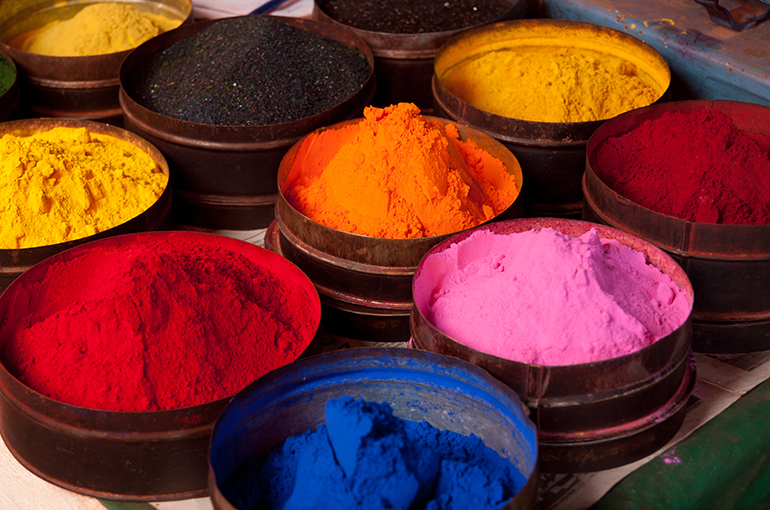
(Yicai) Aug. 12 -- Prices of dye intermediates have surged almost fourfold in China because stricter safety and environmental regulations raised entry barriers for manufacturers. As a result, profit margins of companies in midstream and downstream industries, such as printing and textiles, are being impacted.
Zhang Jianmu, a senior manager at a printing and dyeing firm in Shaoxing, Zhejiang province, told Yicai that the price of H acid (8-amino-1-naphthol-2,3-disulfonic acid) surged to nearly CNY120,000 (USD17,790) per ton from around CNY45,000 (USD6,670), which led to a sharp increase in the procurement cost of the company's main raw material dyes.
H acid, a key intermediate for reactive dyes, surged over 30 percent on July 28 alone, and the upward trend has continued into August. Meanwhile, prices of key intermediates for dispersible dyes, such as reducing agents 3-amino-4-methoxyacetanilide, m-Phenylenediamine, and hexachloro/hexabromo compounds, have risen almost 300 percent since the end of last year.
It is challenging to fully pass on the cost pressure from surging dye intermediate prices to downstream printing and dyeing mills, as their business has long been under strain, an executive at a medium-sized dye manufacturer in Jiangsu province said to Yicai. To retain clients, the firm has to compress its short-term profits, he added. "If there is no profit, we might as well shut down."
Printing and dyeing companies are the most affected by this round of raw material price hikes, mainly because they are already in a state of overcapacity, and with their downstream fabric and clothing suppliers also under pressure, it is difficult for them to raise prices, the head of a fabric textile company in Shaoxing told Yicai. Therefore, they can only passively accept the increase in raw material costs, he added.
For downstream players, such as fabric and clothing producers, dyes constitute a relatively small portion of their total costs, the above fabric textile company boss noted. Moreover, if the price of a certain dye increases too much, they can choose not to use it.
Zhou Jianchun, head of a fabric company in Wujiang, Jiangsu province, said that its business has focused on mid-to-high-end functional fabrics in recent years, giving it a stronger ability to withstand the rising costs of upstream dyes.
Tightening safety and environmental protection policies have significantly raised entry barriers in the dye industry and accelerated the elimination of outdated production capacity, resulting in the surge of dye intermediates, according to a research report by Guosen Securities.
Many production processes for dye intermediates are considered highly polluting and hazardous, according to the executive at the medium-sized dyeing company in Jiangsu. With the tightening of environmental and safety regulations, small enterprises with annual outputs of below CNY100 million (USD14.8 million) have been shutting down since March.
Meanwhile, the construction of new production capacity that meets regulatory requirements will take time, leading to a supply gap for dye intermediate products during the transition period, the executive added.
Prices of dye will likely remain high for some time, at least as long as the clothing industry receives a good amount of orders in autumn, Zhang explained. But if downstream demand remains weak, there is a possibility that dye prices could start declining.
Editors: Tang Shihua, Futura Costaglione